Lucknow
- MetroOperational
- AirportChaudhary Charan Singh International Airport
- ExpresswayAgra–Lucknow Expressway connectivity
- Industrial corridorUttar Pradesh Defence Industrial Corridor node
Research • Intelligence • Opportunity
Research-driven insights into infrastructure, urbanisation, employment and city transformation.
Explore verified trends in population, employment and infrastructure across India's emerging growth cities using official data and government publications.
Census observations for 2001 and 2011, followed by a clearly marked 2026 current estimate.
Why emerging cities matter
India's largest metropolitan markets remain central to the economy. At the same time, regional airports, expressways, industrial corridors, logistics networks and technology ecosystems are strengthening a wider group of cities.
For investors, the opportunity is not simply lower property prices. It is the possibility of entering selected cities while their infrastructure, employment base and urban footprint are still expanding.
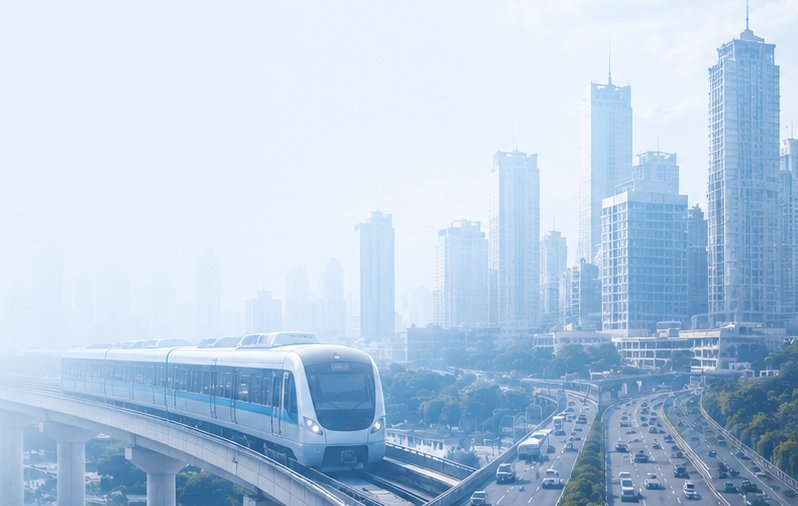
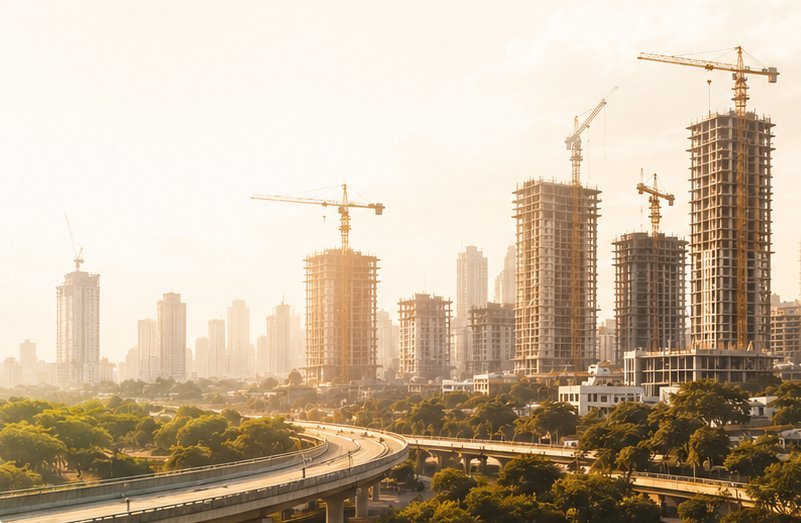
City growth does not guarantee uniform property performance. Infrastructure delivery, employment creation, legal approvals, location quality and project execution must be evaluated together.
National evidence behind the shift
Each figure is linked to a public or recognised research source.
Under UDAN across India as of 25 March 2026.
Source: PIBIncludes airports, heliports and water aerodromes under UDAN.
Source: PIBJLL reports lower talent and office rental costs in selected Tier-2 technology markets.
Source: JLL IndiaUN projection for India's urban population increase from 2018 to 2050.
Source: United NationsThese national indicators are not city rankings. They explain why city-level research into infrastructure, employment, connectivity and planning is increasingly important.
How cities grow
No single airport, expressway or industrial park transforms a city on its own. Sustainable urban growth generally emerges when infrastructure, business activity, employment and population movement develop together.
Master plans, industrial policy and regional development priorities create direction.
Airports, roads, metros, utilities and logistics networks improve access and capacity.
Manufacturing, services, healthcare, education and trade expand around stronger infrastructure.
New and diversified economic activity creates jobs and supports household formation.
Population growth increases demand for housing, transport, healthcare, education and retail.
Explore growth cities
Explore selected cities through a consistent research framework covering population, employment, infrastructure, connectivity, urban expansion and future planning.
Governance • Healthcare • Education
State-capital growth supported by metro connectivity, regional infrastructure and a diversified service economy.
Manufacturing • Trade • Metro
A major manufacturing and business centre shaped by textiles, diamonds, trade and expanding urban transport.
Industry • Education • Logistics
Central India's commercial hub with strong industrial, education and logistics ecosystems.
Tourism • Services • Manufacturing
A diversified regional capital combining heritage, tourism, services and modern urban expansion.
Logistics • MIHAN • Connectivity
A centrally located logistics and industrial market strengthened by multimodal connectivity.
Greenfield • Industrial • Planned
A planned industrial city whose long-term outlook depends on phased infrastructure and business development.
About the Research
Census data, planning documents, transport agencies, state departments and official project sources are prioritised.
Planning projections are clearly labelled and never presented as completed Census counts.
Every city page explains what is changing, what remains uncertain and what investors should verify.